New Website Offer : 30% OFF All Orders

Wait, don't go!
Before you leave, we have a special offer just for you!
Get 20% off your next purchase.
Before you leave, we have a special offer just for you!
Get 20% off your next purchase.


Share:
Reading has always been part of human life but the way we read, why we read, and how we experience books has changed dramatically over time.
From quiet libraries and handwritten notes to glowing screens and audiobooks on the go, reading culture has evolved with technology, lifestyle, and attention spans.
So what exactly has changed and what have we gained or lost along the way?
In the past, reading was a slower, more deliberate experience.
Books were physical objects you had to seek out, borrow, or buy. Libraries were central to learning, and bookstores were places of discovery and patience.
Reading often meant:
Because access was limited, every book felt valuable. Readers tended to engage more deeply and thoughtfully with what they read.
Today, reading is more accessible than ever.
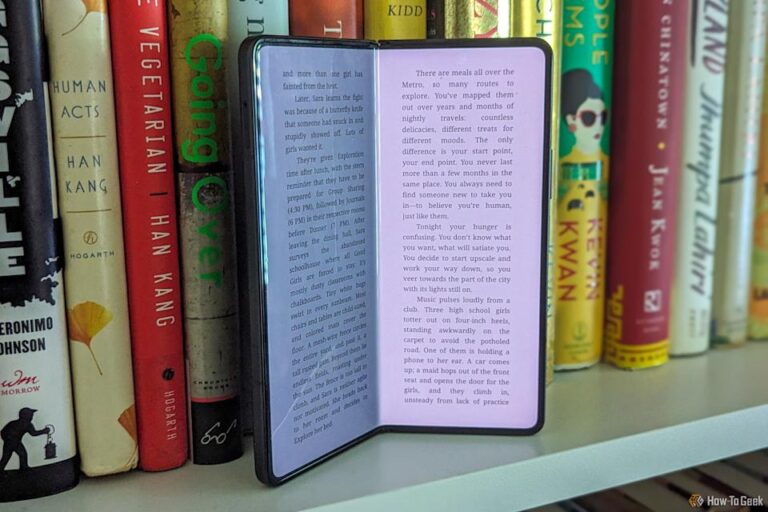
With smartphones, tablets, and platforms like Kindle or Goodreads, thousands of books are available instantly.
Modern reading culture is defined by:
Books are no longer tied to place or time. You can read on a bus, in bed, or between tasks. Reading has become flexible but also more fragmented.
One of the biggest differences is attention.
In the past, reading was often the primary activity. There were fewer interruptions, which allowed for deep focus and immersion.
Now, readers face:
As a result, many people read more often but in shorter bursts, and sometimes with less depth.
Earlier generations had limited access to books. What you read depended on what was available in your local library or bookstore.
Today, access is almost limitless:
This abundance has made reading more democratic but also more overwhelming. With so many choices, many readers struggle to decide what to read next.
Reading used to be more communal in physical spaces libraries, book clubs, and classrooms played a big role in shaping reading habits.
Now, reading is often more personal and digital. People read alone on devices, and discussions happen online rather than in person.
While digital communities are strong, the physical shared experience of books has become less common.
In the past, owning a book meant something. Your bookshelf reflected your identity, interests, and journey.
Now, many readers prioritize access over ownership. Instead of building physical libraries, they:
This shift makes reading more flexible, but less tangible.
Modern reading culture has brought major advantages:
Reading is no longer limited by geography or availability.
Despite the benefits, something has changed:
For some readers, the experience feels less immersive than it once was.
The future of reading doesn’t have to choose between old and new.
The best reading culture might be a blend:
Read physical books when you want immersion.
Use digital platforms when you need flexibility.
Take the best of both worlds.
Reading culture has changed but its value hasn’t.
Whether on paper or screen, books still shape how we think, learn, and grow.
The only real question is not how we read, but whether we continue to make space for reading at all.
Because in every era then or now the readers are the ones who keep ideas alive.