New Website Offer : 30% OFF All Orders

Wait, don't go!
Before you leave, we have a special offer just for you!
Get 20% off your next purchase.
Before you leave, we have a special offer just for you!
Get 20% off your next purchase.

Share:
In today’s digital world, reading has never been more accessible. With just a phone in your pocket, you can carry an entire library wherever you go. At the same time, physical books continue to hold a special place for readers who love the feel of paper and the experience of turning pages.
So which is better reading on your phone or reading a physical book?
The answer isn’t as simple as choosing one over the other. Each has its own strengths, and the “better” option often depends on your lifestyle, habits, and what you’re looking to get from reading.
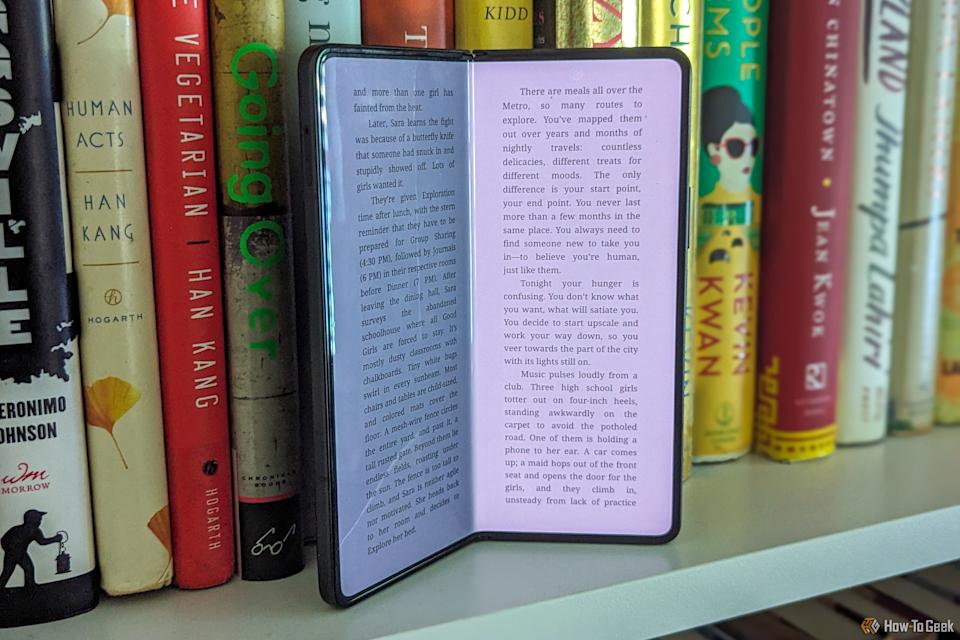
There’s no denying the convenience of digital reading. Apps like Kindle or Apple Books make it easy to access thousands of titles instantly.
Whether you’re commuting, waiting in line, or traveling, your next book is always within reach.
Key advantages:
For busy readers, this flexibility makes it easier to stay consistent and read more often.
Physical books offer something that screens simply can’t replicate: a sensory and immersive experience.
From the texture of the pages to the smell of a new book, reading becomes more than just consuming information it becomes a ritual.
Why readers still love physical books:
For many, a printed book creates a stronger emotional connection to the story or ideas within it.
One of the biggest challenges of reading on your phone is distraction.
Notifications, messages, and social media are always just a tap away. Even with strong discipline, it’s easy to lose focus.
Physical books, on the other hand, create a distraction-free environment. When you sit down with a book, your attention is fully dedicated to reading leading to better comprehension and deeper engagement.
Studies and reader experiences often suggest that people retain information better when reading physical books.
Why? Because:
That said, digital reading can still be highly effective especially when used intentionally without distractions.
Digital reading often wins when it comes to affordability and accessibility.
E-books are frequently cheaper, and many classics are available for free. You can also download a new book instantly without leaving your home.
Physical books, however, offer lasting value. They can be shared, gifted, or revisited without needing a device or battery.
Instead of choosing one over the other, the best approach might be to use both.
Each format serves a different purpose and together, they can help you build a stronger, more consistent reading habit.
At the end of the day, the “best” way to read is the one that keeps you reading.
Whether it’s a glowing screen during a commute or a printed book in a quiet corner, what matters most is the experience and the impact it has on your mind.
Stories, ideas, and knowledge remain powerful whether they come from a screen or a page.
But if you’re looking for a deeper connection, fewer distractions, and a truly immersive experience, a physical book might just be the perfect choice.
So next time you’re deciding how to read, ask yourself:
Do you want convenience or an experience?
Or better yet… why not both?